CLT® A+B Course
Master the Foundations of CLT® and Coordinated Movement
A Practical Introduction to CLT® Coordination Patterns and the Activating Process. Learn to Apply Sprinter and Skater Synergies in Real Clinical and Training Situations
CLT® A + B Course
Objectives
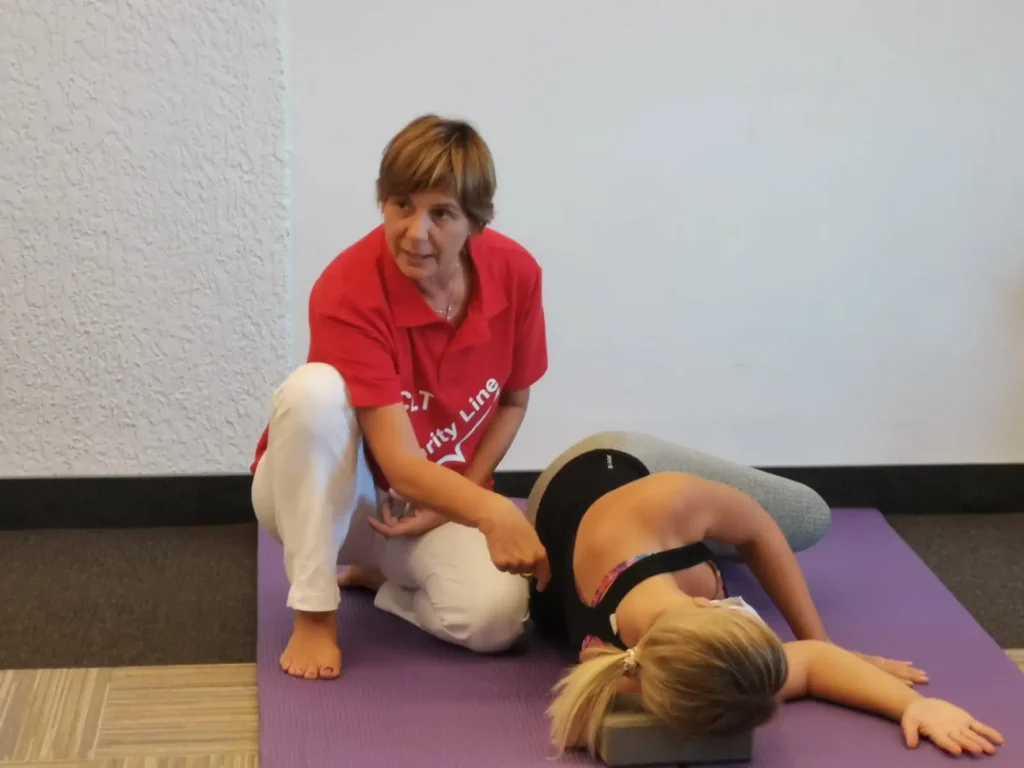
CLT® A + B is your structured entry into the highly effective CLT concept built on human locomotion (walking-based coordination).
CLT® is designed for people of all ages—from those with orthopaedic and neurological movement problems to athletes and recreational sports participants who want better performance, efficiency, and injury prevention.
You will learn how to recognize and facilitate the fundamental CLT synergies, apply the 4-step Activating Process (Securing → Linking → Controlling → Integrating), and translate the patterns into meaningful clinical and training strategies
Who is this course for?
- Physiotherapists/ doctors
- Sports coaches
- Fitness trainers
- Kinesiologists / exercise professionals
- Rehabilitation and movement specialists who want a whole-body, locomotion-based approach
What you will be able to do after the course?
By the end of CLT® A + B, you will be able to:
- explain the CLT® foundations and how it evolved from PNF into locomotion-based training
- identify the four locomotion synergies and understand their structure
- facilitate Sprinter and Skater synergies using key points (hands-on)
- build exercises using the Activating Process:
Securing → Linking → Controlling → Integrating - apply CLT-relevant PNF techniques (as instructed during the course)
- understand how CLT connects to gait phases and locomotion logic
- use elastic bands and other tools to add appropriate resistance and improve motor learning
- create safe, progressive exercise flows for rehab, daily life function, and sport
What you’ll learn?
CLT® helps you train the body as a coordinated system.
Instead of isolating muscles, you learn to guide the nervous system toward automatic, efficient movement—supporting:
- better trunk stability and balance
- smoother coordination of arms and legs
- improved mobility with control
- functional strength that transfers to real life and sport
Course structure
6 days or 3+3 days
Schedule: Daily 09:00–17:00
Format: Practical, hands-on learning + guided exercise sessions (Morning Gym)
Optional clinical component: If possible, participants may bring 1–2 patients for demonstration and discussion (not mandatory).
Day 1 — CLT® introduction + Sprinter synergy foundations
- short history: how Britta Dietz developed CLT®
- overview: the 4 locomotion synergies
- first practical experience: Sprinter as an involuntary response
- Activating Process introduction (Securing–Linking–Controlling–Integrating)
- Security Line® basics
- key points of Sprinter synergy (hands-on)
- Sprinter patterns in sidelying (guided practice)
Outcome: You understand and can visualize the Sprinter synergy components and recognize the synergy as an inherent coordination response.
Day 2 — Sprinter exercise progressions + techniques
- Morning Gym: Sprinter-based training session
- Sprinter exercises through the Activating Process
- Sprinter in multiple positions (sitting, quadruped, bridging, high-standing)
- applying CLT-relevant techniques to Sprinter (as instructed)
- progression: Securing → Linking → Controlling → (Integrating)
Outcome: You can build and progress Sprinter exercises across positions while maintaining the logic of CLT activation.
Day 3 — Skater synergy foundations + resistance tools + walking workshop
- Morning Gym: Skater-based training session
- Skater as an involuntary synergy response
- key points of Skater synergy (hands-on)
- Skater exercises through Securing–Linking–Controlling
- Skater in multiple positions
- applying CLT-relevant techniques to Skater (as instructed)
- elastic band resistance for synergy components
- workshop: walking (intro)
Outcome: You know how to train Skater synergy with clear components, effective resistance, and practical exercise progressions.
Day 4 — Sprinter–Skater transitions + gait logic
- Morning Gym: transitions and integration
- Sprinter–Skater transitions across positions
- stabilization strategies for local issues (e.g., shoulder/knee)
- gait introduction: phases and pairing between legs
- one-leg stance and phase differentiation
- rolling and trunk rotation for Security Line® and coordination
Outcome: You understand how CLT relates to walking mechanics and how transitions connect patterns into locomotion.
Day 5 — Skiing (Chopping) + Security Lines + gait double contact phases
- Morning Gym: Skiing/Chopping coordination
- Skiing exercises through the Activating Process
- Skiing in multiple positions (bridging, quadruped/bear, supine, sidelying, standing)
- gait: double contact phase overview and practice
- Security Line® presentation and practical summary
- optional patient demo (if available)
Outcome: You can identify what builds Front and Back Security Lines® and how they relate to locomotion patterns and gait.
Day 6 — Skipping (Lifting) + exercise flows + clinical problem-solving
- Morning Gym: general CLT exercise program with elastic band
- Skipping/Lifting coordination (thoracic rotation emphasis)
- lifting in multiple positions (supine, sidelying, sitting, prone)
- workbook: common problems in gait
- practical applications (e.g., shoulder, functional “cleaning” patterns, side lunge flow)
- introduction: CLT® & sports
- review, repetition, Q&A
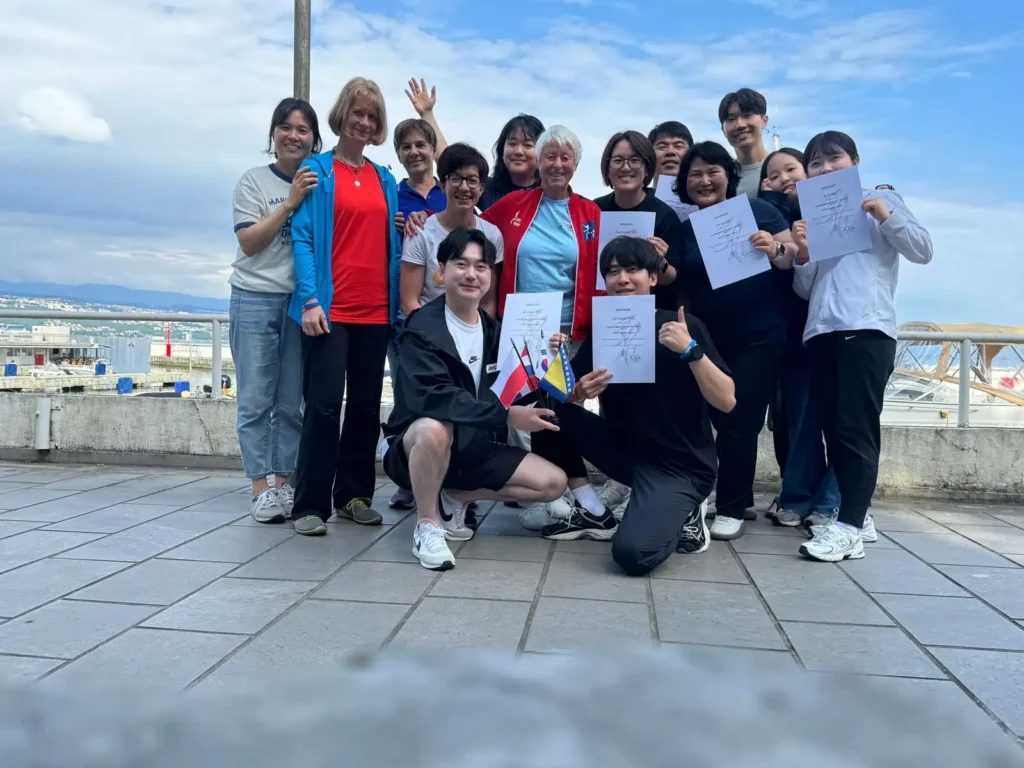
- certification + photos
Outcome: You can build a CLT Exercise Flow and begin applying CLT thinking to real client problems and sport demands.

Why CLT®works
The science behind the results
Coordinated movement requires the nervous system to manage many joints and muscle groups at the same time. This is best achieved through muscle synergies—functional “teams” of muscles working together (Bernstein, 1967; Bosch, 2015).
CLT® builds these synergies through Sprinter/Skater patterns so the body learns efficient, goal-directed movement by:
- combining muscle responses into functional units
- using the mechanical advantages of limbs and trunk
- integrating continuous sensory feedback during movement (M.Lee)
This aligns with concepts such as the Dynamic Engine Theory (Gracovetsky, 1988), where coordinated movement results from an interplay of all body segments through self-organization (Williams et al., 1999).
CLT® helps people move with less pain and more efficiency by rebuilding whole-body coordination through natural locomotor patterns—so the trunk becomes stable quietly, and the limbs can move freely and powerfully.
Do you want to become a CLT® practitioner?
Learn to apply locomotion-based coordination principles in rehabilitation and performance settings.
CLT® A+B Course
CLT® For Rehabilitation
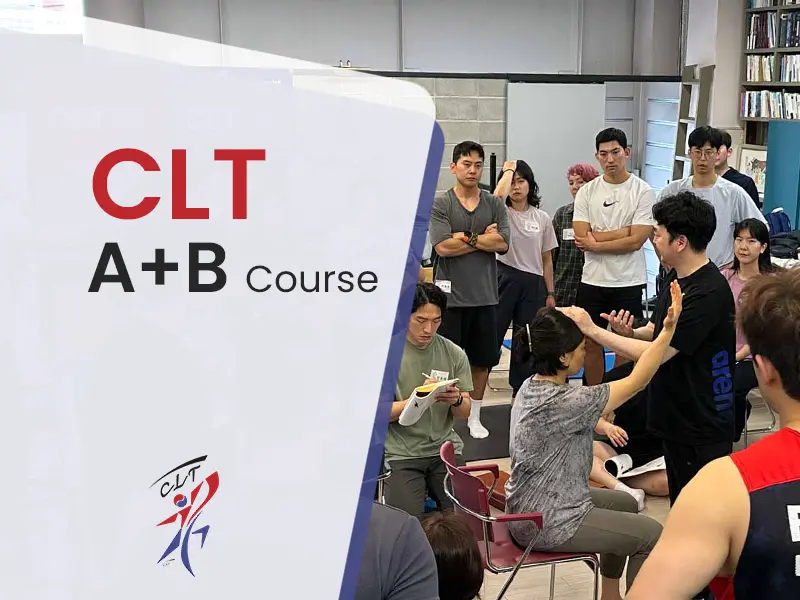
Learn how to recognize, facilitate, and apply locomotion-based coordination patterns in rehabilitation and training.
- Pain reduction
- Improved trunk stability
- Restored mobility and control
- Efficient motor learning
- Whole-body coordination
CLT® C Course
CLT® For Rehabilitation
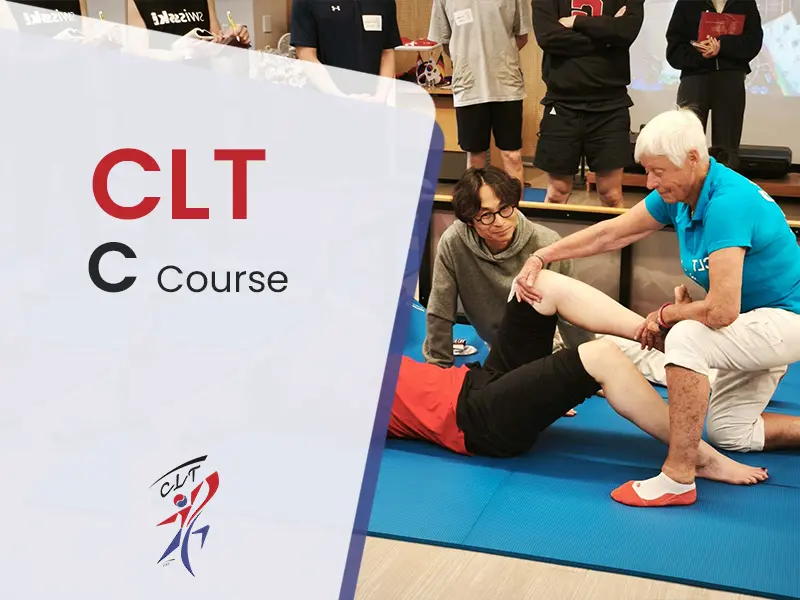
Deepen your expertise and learn to design treatment strategies for real-world movement problems.
- Clinical reasoning
- Case-based application
- Treatment design
- Problem-solving skills
- Advanced coordination
CLT® X Course
CLT® For Training & Performance
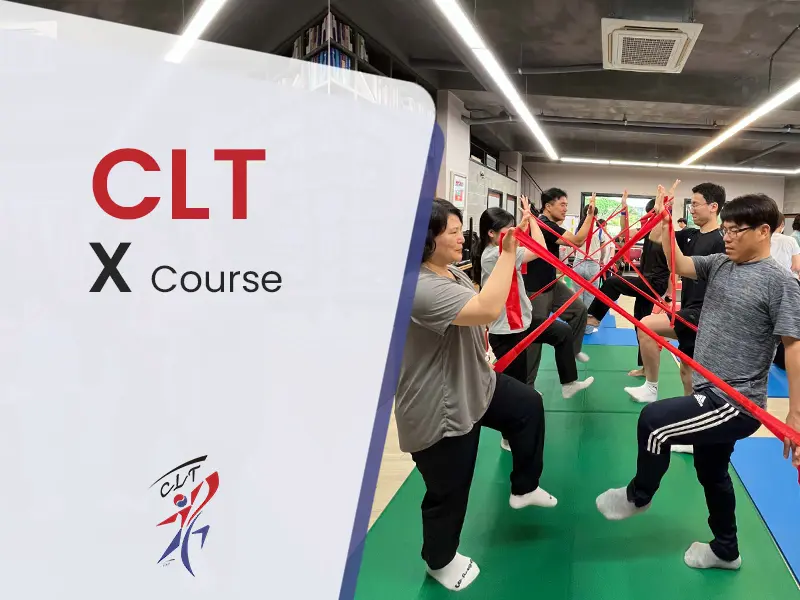
Transform treatment into long-term results through structured training systems.
- Improved coordination and agility
- Enhanced sport performance
- Injury prevention
- Functional strength transfer
- Scalable training systems