CLT® X Course
Transform CLT® into Performance and Training Results
A Hands-Off Training System to Improve Coordination, Strength, and Injury Prevention. Transfer CLT® Principles into Real-World Training and Long-Term Results

CLT® X Course
CLT® X is an intensive hands-off training program based on Sprinter/Skater coordinations (synergies). These coordinations integrate the full progression of motor control—stability, mobility, controlled mobility, and skill—while building reliable core stability for rehabilitation and sports performance (Dietz, PNF in Locomotion, 2018).
CLT® X is designed to help clients and athletes transfer the results of hands-on treatment into real life. Used as home exercise or structured training, it supports long-term progress by improving coordination, balance, strength, and movement efficiency—while also helping reduce injury risk.
Who Is the CLT® X Concept For?
CLT® X can be applied across performance, health, and rehabilitation settings:
- Athletes (professional & competitive): functional performance training adapted to the demands of a specific sport
- Healthy adults and children (all ages): fitness and recreational training with better movement quality
- Older adults: balance training and fall-prevention strategies
- Rehabilitation clients: independent home exercise after hands-on physiotherapy, supporting return to sport or daily activities
Who Can Attend the CLT® X Course?
The CLT® X Course is suitable for professionals working in movement, training, and rehabilitation, including:
- physiotherapists/occupational therapist
- sports coaches
- fitness trainers
- kinesiologists / exercise professionals
Why Hands-Off CLT® Works
CLT® X uses an integrative, holistic approach to movement training. A focused, progressive exercise program supports motor learning and increases motivation. By changing:
- starting positions
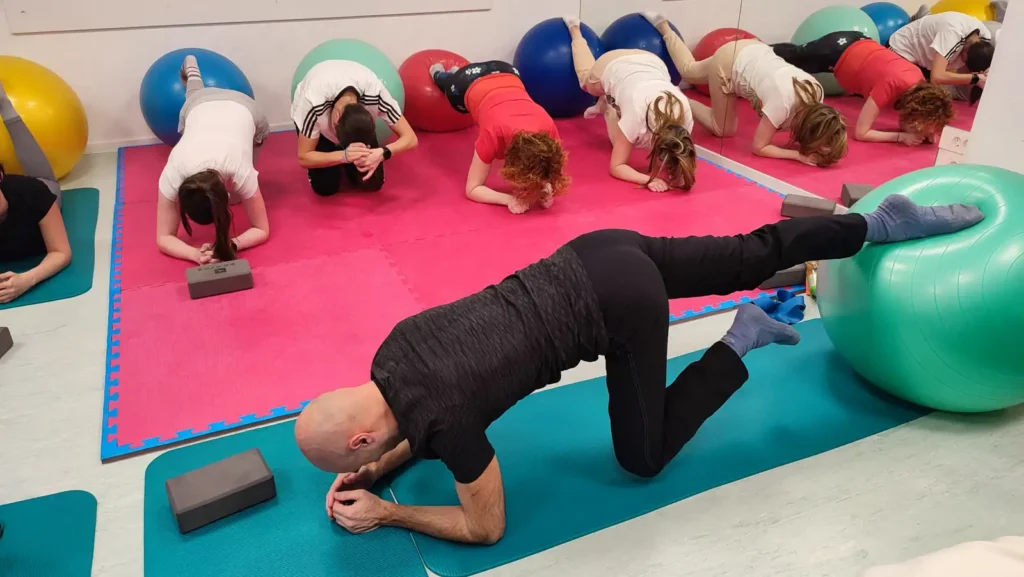
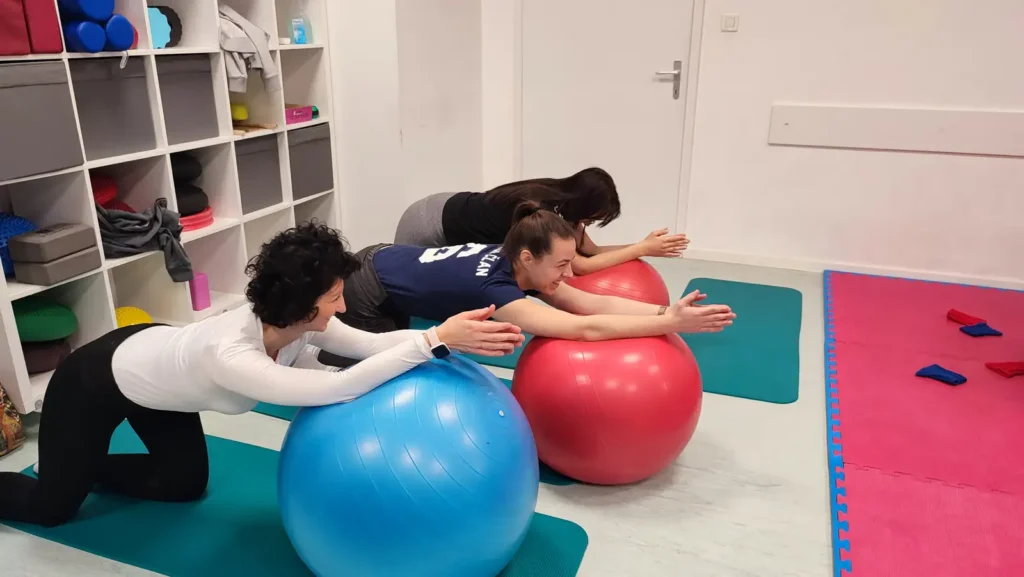
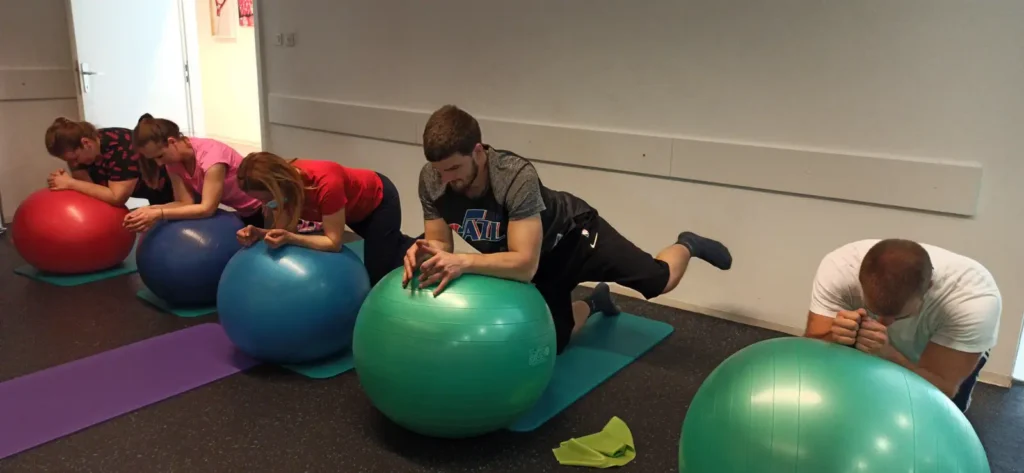
- equipment (TheraBands, balls, weights)
- unstable supports and other training tools
…the level of challenge can be precisely adjusted—from rehabilitation to high-level sport. The summation of stimuliincreases the learning effect and supports improvements in:
- coordination and agility
- strength and physical fitness
- balance and movement control
Benefits of CLT® X Training
CLT® X is used in both individual and group formats and supports:
- injury prevention in professional sport, recreational sport, and hobbies
- functional training that complements sport-specific drills
- improved sport performance and overall conditioning
- functional training integration in physiotherapy
- scalable programming for individuals or groups
Results You Can Expect from CLT® X
When CLT® X is added to sport-specific training, it commonly leads to:
- reduced risk of injury
- improved balance and body control in any sport
- more coordinated whole-body movement
- automatic activation of the abdominal, back, and neck muscle systems
- improved performance and efficiency in sport
In rehabilitation, CLT® X provides a structured pathway for return to sport or daily activity, with a training intensity that can be adjusted to the exact level the client needs.
CLT® X in Modern Sports Training
CLT-based training has increasingly become part of structured sports programs in countries such as Germany and South Korea, reflecting its practical value in performance development and movement quality.
Course structure
2 days
Daily from 09.00 – 17.00, last day till 16.00
Day 1
Why CLT?
- Introduction to Sprinter/Skater
- Warm up in both coordinations
- Sprinter exercises in variations with props (Theraband, Ball, etc.)
- Skater exercises in variations with props (Theraband, Ball, etc.)
Day 2
- Gait ballet
- Skiing exercises in variations with props (Theraband, Ball, etc.)
- Skipping exercises in variations with props (Theraband, Ball, etc.)
- Special themes during the course.
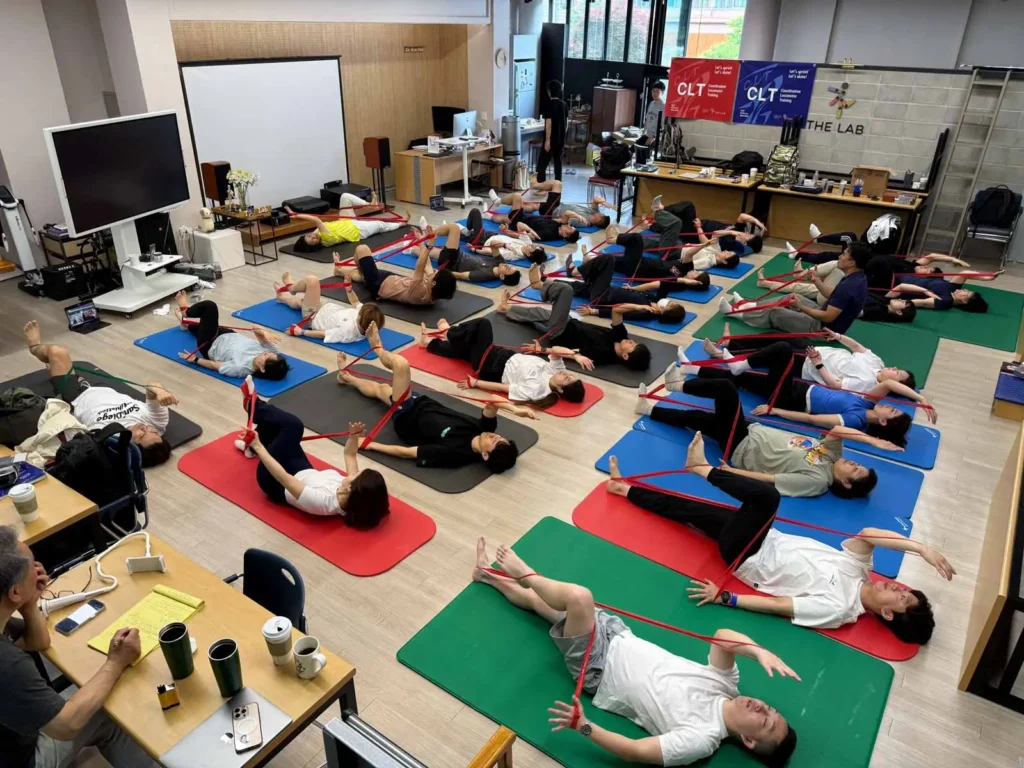

Why CLT®works
The science behind the results
Coordinated movement requires the nervous system to manage many joints and muscle groups at the same time. This is best achieved through muscle synergies—functional “teams” of muscles working together (Bernstein, 1967; Bosch, 2015).
CLT® builds these synergies through Sprinter/Skater patterns so the body learns efficient, goal-directed movement by:
- combining muscle responses into functional units
- using the mechanical advantages of limbs and trunk
- integrating continuous sensory feedback during movement (M.Lee)
This aligns with concepts such as the Dynamic Engine Theory (Gracovetsky, 1988), where coordinated movement results from an interplay of all body segments through self-organization (Williams et al., 1999).
CLT® helps people move with less pain and more efficiency by rebuilding whole-body coordination through natural locomotor patterns—so the trunk becomes stable quietly, and the limbs can move freely and powerfully.
Do you want to become a CLT® practitioner?
Learn to apply locomotion-based coordination principles in rehabilitation and performance settings.
CLT® A+B Course
CLT® For Rehabilitation
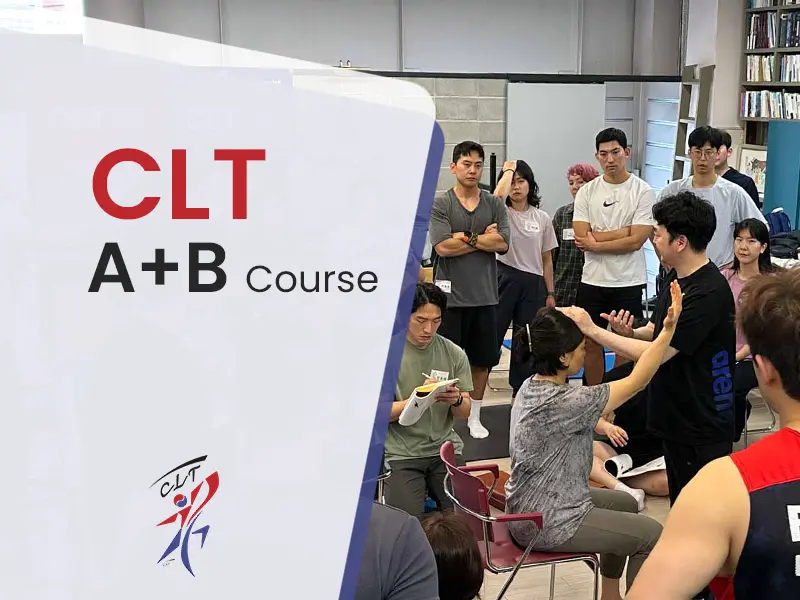
Learn how to recognize, facilitate, and apply locomotion-based coordination patterns in rehabilitation and training.
- Pain reduction
- Improved trunk stability
- Restored mobility and control
- Efficient motor learning
- Whole-body coordination
CLT® C Course
CLT® For Rehabilitation
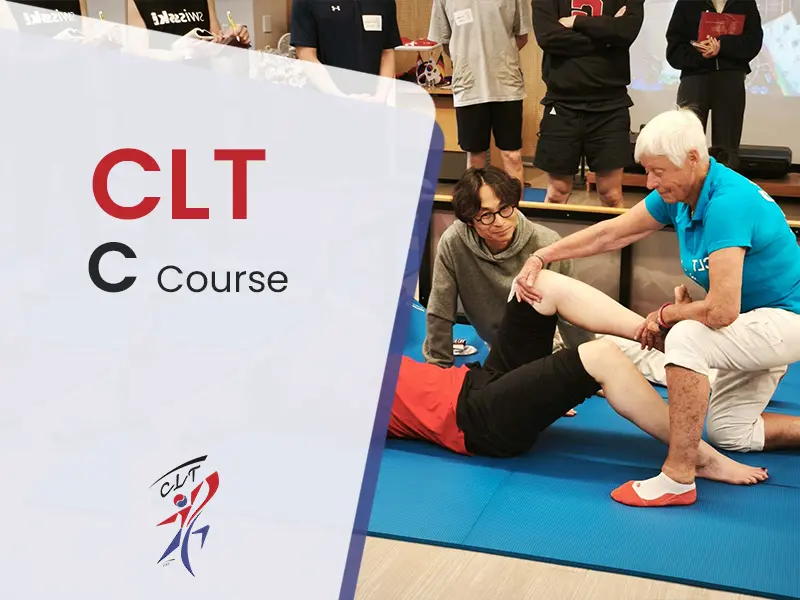
Deepen your expertise and learn to design treatment strategies for real-world movement problems.
- Clinical reasoning
- Case-based application
- Treatment design
- Problem-solving skills
- Advanced coordination
CLT® X Course
CLT® For Training & Performance
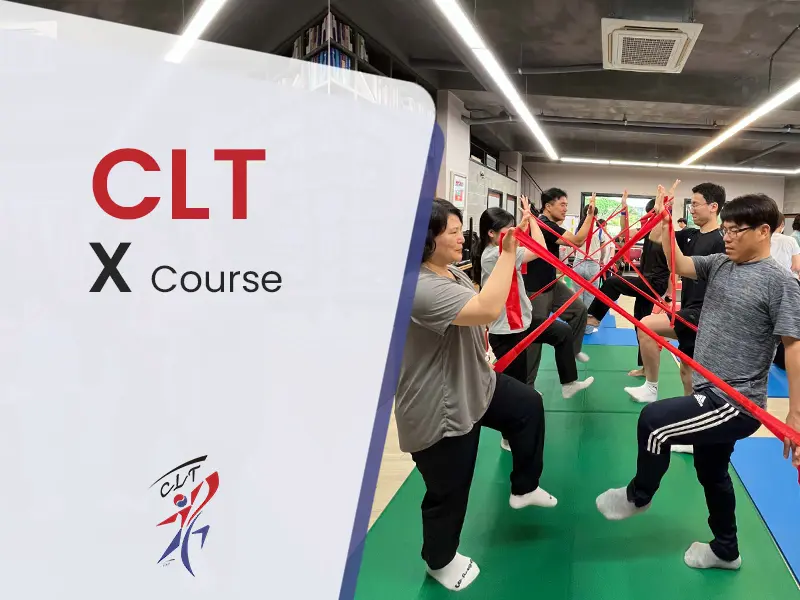
Transform treatment into long-term results through structured training systems.
- Improved coordination and agility
- Enhanced sport performance
- Injury prevention
- Functional strength transfer
- Scalable training systems