CLT® C Course
From Concept to Application: Master CLT® in Real Cases
Deepen Your Understanding and Apply CLT® to Complex Movement Problems. Learn to Assess, Adapt, and Build Individualized Treatment and Exercise Programs.
CLT® C Course
Objectives
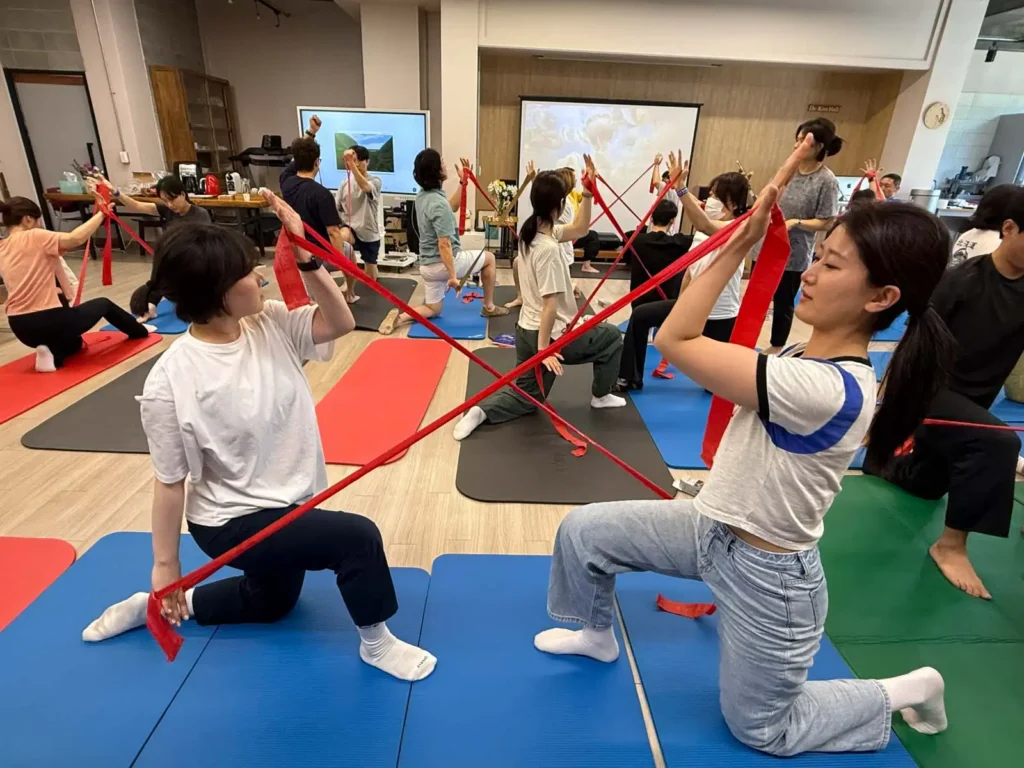
The main goal of the CLT® C Course is to deepen your understanding of the CLT concept and strengthen your ability to design treatment and exercise strategies for a wide range of movement problems.
In this course, the focus shifts from “knowing the concept” to using it clinically—learning how to apply and adapt CLT coordinative synergies and activating procedures to solve real problems encountered in clinical practice or field settings.
Course structure
5 days
Days 1–3: Review + clinical application
The first three days focus on refreshing the key CLT foundations from the A & B Courses and learning how to apply them to solve real movement problems.
Review block includes:
- components of each CLT synergy
- hands-on facilitation of key points
- overview of activating phases and procedures
- Security Line® principles
- synergies and synergy couples across gait phases
Practical application includes:
- trunk-related issues
- common problems involving the stance leg, trunk, hip, knee, breathing, neck, and TMJ
Days 4–5: Workshops + assignments
The final two days are workshop-based and focus on clinical reasoning, programming, and problem-solving.
Workshop topics include:
- designing treatment plans for common problems
- case-based clinical workshops
- developing CLT-based exercise flows
Prerequisite knowledge
Recommended preparation
To follow the C Course content smoothly, participants are strongly encouraged to review the key topics from the CLT® A & B Courses, especially:
- Understanding the components of the four coordinative synergies
- Practicing the exercises using all four synergies
- Practicing hands-on facilitation of the key points for each synergy
- Understanding the essential elements of the Security Line® for each synergy
and preparation – Assignments, Documentation
Any tests or assignments in the C Course are designed to support learning, not to “grade” participants. You will have ample preparation time, and assignments can be completed in a comfortable, familiar work environment.
Instead of a practical exam, participants complete a treatment and exercise program design assignment.
What you prepare:
- a CLT treatment + exercise program addressing one specific topic, or
- one of the Common Problems covered in the course (if the course is divided in 2 parts)
- Provide a document that includes before-and-after photos and videos to support discussion
- the program shall include:
- The CLT treatment/ self exercise program based on CLT activating phases,
- With General Information About the Client (Age, gender, medical history, social and environmental context
- Assessment: Identifying the Problem (activity limitations, participation restrictions, and physical impairments & Testing
- Treatment plan : Hypothesis & Testing (Link structures with activity/participation restrictions)
- Clinical Decision-Making: What exercises, activities, or procedures are you planning to use to address the problem? What is the reason for choosing them?

Why CLT®works
The science behind the results
Coordinated movement requires the nervous system to manage many joints and muscle groups at the same time. This is best achieved through muscle synergies—functional “teams” of muscles working together (Bernstein, 1967; Bosch, 2015).
CLT® builds these synergies through Sprinter/Skater patterns so the body learns efficient, goal-directed movement by:
- combining muscle responses into functional units
- using the mechanical advantages of limbs and trunk
- integrating continuous sensory feedback during movement (M.Lee)
This aligns with concepts such as the Dynamic Engine Theory (Gracovetsky, 1988), where coordinated movement results from an interplay of all body segments through self-organization (Williams et al., 1999).
CLT® helps people move with less pain and more efficiency by rebuilding whole-body coordination through natural locomotor patterns—so the trunk becomes stable quietly, and the limbs can move freely and powerfully.
Do you want to become a CLT® practitioner?
Learn to apply locomotion-based coordination principles in rehabilitation and performance settings.
CLT® A+B Course
CLT® For Rehabilitation
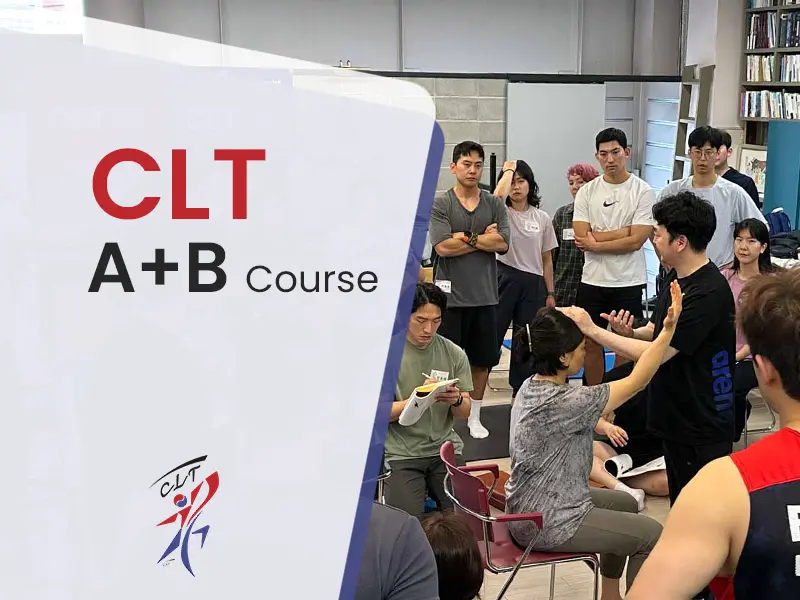
Learn how to recognize, facilitate, and apply locomotion-based coordination patterns in rehabilitation and training.
- Pain reduction
- Improved trunk stability
- Restored mobility and control
- Efficient motor learning
- Whole-body coordination
CLT® C Course
CLT® For Rehabilitation
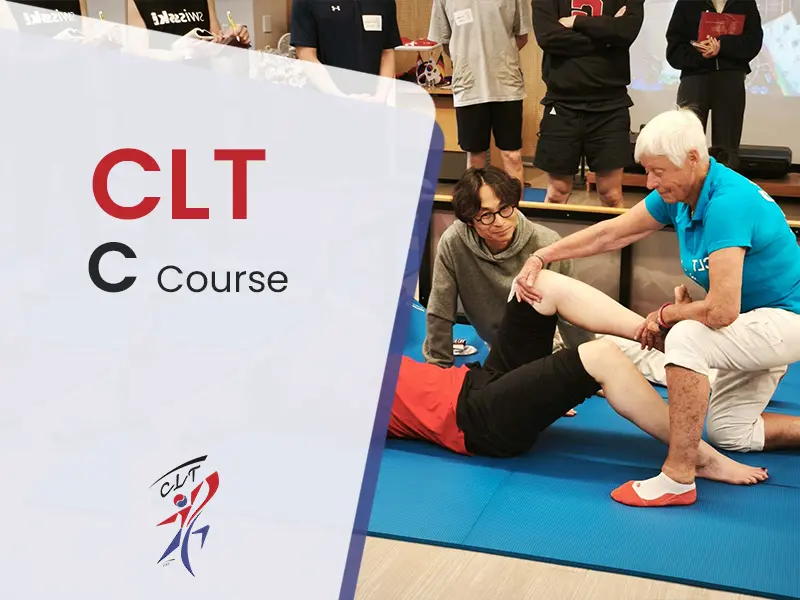
Deepen your expertise and learn to design treatment strategies for real-world movement problems.
- Clinical reasoning
- Case-based application
- Treatment design
- Problem-solving skills
- Advanced coordination
CLT® X Course
CLT® For Training & Performance
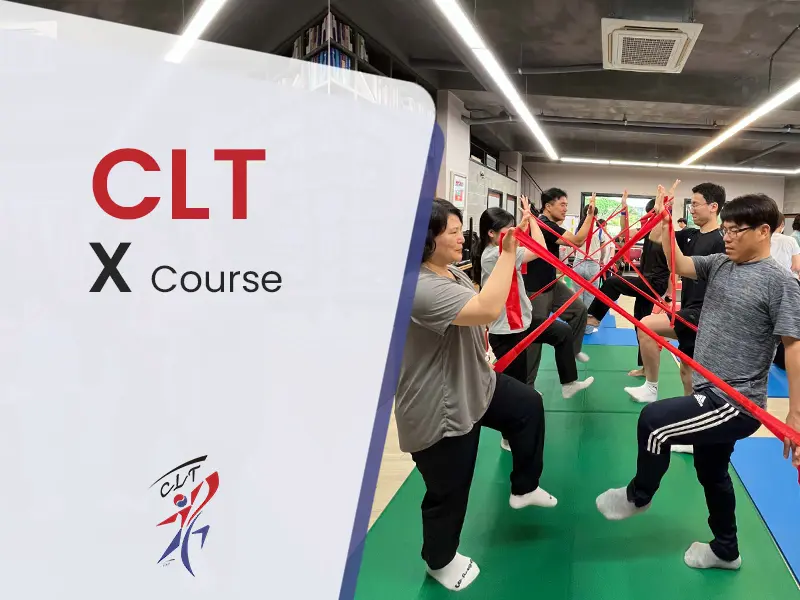
Transform treatment into long-term results through structured training systems.
- Improved coordination and agility
- Enhanced sport performance
- Injury prevention
- Functional strength transfer
- Scalable training systems